
Women’s Independence
Blood ShotThe experiences of V. I. Warshawski, Clio Chigwell, and Caroline Djiak show different generations of women claiming authority over their work, choices, and futures.
increasing Bearing strength in each event
 decreasing
Bearing strength in each eventdecreasingA Life of Her Own

Work Without Permission
A self-employed investigator
V. I. Warshawski has chosen private investigation because she values setting her own hours and making her own decisions.
Independence under pressure
Her autonomy is tested by clients, police, powerful businessmen, and friends who believe they know what she should do.
The novel treats independence as difficult practice rather than an effortless personal quality.
A Daughter’s Inheritance
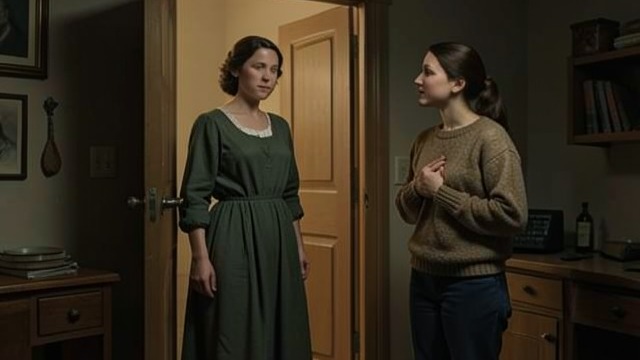
Refusing to Define Caroline
A concealed truth
Caroline Djiak’s family has hidden her father’s identity and blamed Louisa Djiak for the circumstances of her birth.
Returning authority
V. I. Warshawski tells Caroline the truth rather than deciding that she is too fragile to know it.
The choice treats knowledge, including painful knowledge, as part of a person’s right to shape her own life.
Clio’s Delayed Freedom
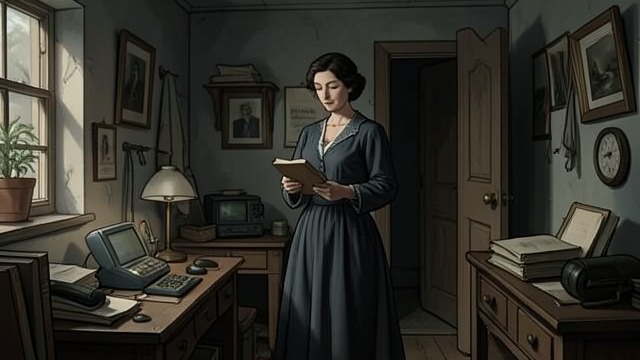
A Life Postponed
Years of service
Clio Chigwell has typed her brother’s records and organized her life around Curtis Chigwell, despite having wanted independence herself.
A personal turning point
She protects the notebooks, confronts her brother, and eventually leaves their shared home.
Her independence arrives late, but the novel presents late change as meaningful rather than futile.
Caroline’s Unchosen Role
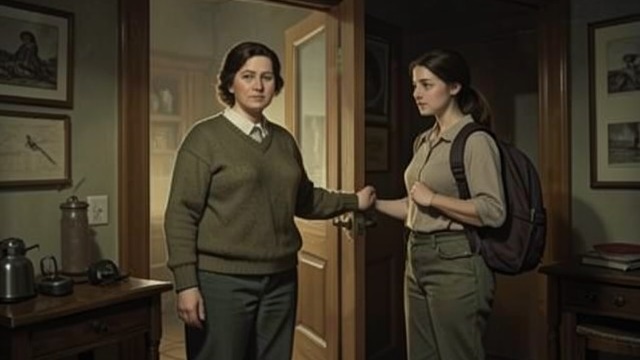
A Future Beyond Activism
An assumed expectation
Caroline Djiak has feared that V. I. Warshawski will respect her only if she continues community activism in Chicago.
A private ambition
She finally admits her desire to study forestry and accepts that her future need not imitate anyone else’s.
Her move to Montana becomes a positive choice, not a failure to serve her neighborhood.
The Right to Decide

Autonomy as Care
Different lives
Clio Chigwell chooses solitude and travel, while Caroline Djiak chooses study away from the city; neither must justify the choice as service to others.
Mutual respect
V. I. Warshawski learns to support people without controlling their decisions, even when their paths diverge from hers.
The novel links women’s independence with the ability to care without possession.
during V. I. Warshawski’s return to Chicago’s South Side
during the disclosure of Caroline Djiak’s parentage
after the Xerxes confrontation
in the months before Caroline Djiak leaves Chicago
near the ending, after the reconciliations
